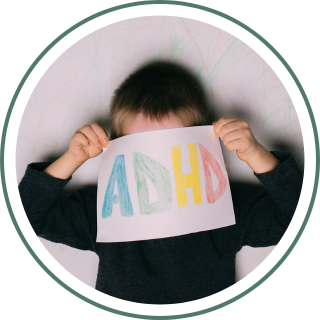
It’s Not Just ADHD: Why Your Child Still Struggles With Focus (Even After You’ve Tried Everything)
What looks like inattention or emotional reactivity is often a signal—not the root problem. Here are 30 foundational shifts that can start turning things around.
Last Updated: April 2026
TL;DR (Quick Answer)
ADHD, anxiety, and mood challenges are influenced by sleep, gut health, nutrition, movement, and stress
These daily “health anchors” shape how the brain regulates attention, behavior, and emotions
Small, consistent changes can lead to meaningful improvements over time
Cedars Functional Medicine provides virtual, root-cause ADHD care for families across Florida
Why Your Child’s Brain May Feel “Stuck”
Most families we work with don’t feel like things are moving forward.
It often feels like you’re trying everything—therapy, school supports, medications, diet changes—and yet your child is still struggling with focus, mood, sleep, or behavior. You may be holding it together on the outside, but underneath there’s a quiet question:
What are we missing?
If you’re searching for ADHD functional medicine in Florida, you’re likely not looking for another quick fix. You’re looking for answers that actually connect.
At Cedars Functional Medicine, we start from a different place.
We see ADHD, anxiety, and behavioral challenges not as isolated problems—but as signals from a brain and body that are out of balance. That balance is shaped every day by sleep, nutrition, movement, gut health, immune function, environment, and how the nervous system processes stress.
These are not “extras.”
They are the terrain the brain lives in.
When that terrain is unstable, the brain can look:
distracted
impulsive
emotionally reactive
or constantly overwhelmed
The goal is not to chase each symptom individually.
The goal is to stabilize the system underneath them.
What Makes Functional Medicine for ADHD Different?
Traditional ADHD care often focuses on managing symptoms.
Functional medicine asks a different question:
Why is the brain struggling in the first place?
Instead of only focusing on behavior, we evaluate:
Sleep quality and circadian rhythm
Gut health and microbiome balance
Nutrition and blood sugar stability
Inflammation and immune function
Environmental exposures
Stress and nervous system regulation
For families across Florida, Cedars Functional Medicine offers telehealth-based care, making this root-cause approach accessible without travel.
30 Foundational Health Anchors for Brain & Body Regulation
Start with one or two. Build from there.
Sleep & Nervous System Foundations
1. Prioritize consistent sleep
Sleep is one of the most powerful regulators of attention, mood, and behavior. When a child is under-slept, the brain struggles with impulse control, emotional balance, and focus. Many kids with ADHD actually appear more “wired” when they’re tired, which can be confusing for parents. A consistent bedtime and wake time—even on weekends—helps regulate the nervous system over time.
2. Create a predictable wind-down routine
The nervous system thrives on predictability. A simple, repeatable routine—like shower, pajamas, reading, lights out—helps signal safety and prepares the brain for rest. This is especially important for children who feel restless or anxious at night. Think of this as building a runway for sleep rather than expecting an instant shutdown.
3. Use calming practices before bed
Some children need help transitioning from activity to rest. Gentle practices like deep belly breathing, quiet reading, or calming music can help the brain shift into a more regulated state. Over time, these cues become associated with sleep, making the transition smoother and more consistent.
4. Limit late-night stimulation
Screens, fast-paced games, or emotional conversations before bed can keep the brain activated longer than expected. Blue light can also interfere with melatonin production. Creating a buffer of 30–60 minutes of low stimulation before bedtime can significantly improve sleep quality.
Nutrition & Brain Fuel
5. Build meals around real, whole foods
The brain depends on steady fuel to function well. Meals that include protein, healthy fats, and fiber help stabilize energy and attention throughout the day. For example, eggs with fruit and avocado will support focus much better than a high-sugar breakfast. It’s not about perfection—it’s about consistency.
6. Reduce processed foods and added sugars
Highly processed foods can create blood sugar spikes and crashes, leading to irritability, poor focus, and emotional swings. Some children are especially sensitive to these fluctuations. Even gradual reductions can lead to noticeable improvements in mood and behavior.
7. Support steady hydration
Hydration is often overlooked but plays a key role in concentration, mood, and energy. Mild dehydration can show up as fatigue, headaches, or irritability. Encouraging regular water intake throughout the day can make a meaningful difference.
8. Include anti-inflammatory foods
Chronic inflammation can affect brain function and emotional regulation. Foods like leafy greens, berries, nuts, and fatty fish help create a more stable internal environment. Adding these consistently can support long-term brain health.
9. Ensure adequate nutrient intake
Nutrients like magnesium, zinc, vitamin D, and omega-3 fatty acids are essential for brain signaling. Deficiencies can contribute to sleep issues, mood instability, and attention challenges. Supporting these nutrients—through diet or targeted supplementation—can be impactful.
Gut–Brain Connection
10. Support gut health
The gut and brain are deeply connected through the gut–brain axis. Digestive imbalances can influence mood, behavior, and focus. Kids with frequent stomachaches, constipation, or picky eating may be showing signs of underlying gut issues.
11. Consider probiotics when appropriate
Probiotics can support a healthy balance of gut bacteria. In some children, this may improve digestion, immune function, and emotional stability. They should be used thoughtfully as part of a broader plan.
12. Prioritize fiber intake
Fiber plays a critical role in feeding beneficial gut bacteria and supporting regular digestion. Many children—especially those with restricted or picky diets—fall short on fiber, which can impact both gut health and overall regulation. Increasing fiber through foods like fruits, vegetables, beans, and whole grains helps improve stool regularity and supports a healthier microbiome. Over time, this can influence not just digestion, but also mood and behavior through the gut–brain connection.
Movement & Regulation
13. Encourage daily movement
Movement is one of the fastest and most effective ways to support regulation. It helps the brain process stimulation, release built-up energy, and improve focus. This doesn’t have to be structured exercise—running outside, biking, climbing, or even jumping on a trampoline can all be beneficial. Many parents notice that on days with more movement, their child’s behavior and attention improve naturally.
14. Incorporate structured exercise
Beyond free play, structured exercise provides consistency and predictability, which supports executive function. Activities like sports, martial arts, or regular walks help regulate mood, improve sleep, and enhance attention. Even 20–30 minutes of moderate activity most days can lead to noticeable improvements. For some children, having a scheduled activity also reduces anxiety by creating routine.
15. Try calming movement practices
Not all movement needs to be high energy. Practices like yoga, stretching, or tai chi combine movement with breath and awareness, helping calm the nervous system. These can be especially helpful for children who feel anxious, overstimulated, or “on edge.” Even a short guided session can help shift the body into a more regulated state.
Stress & Emotional Regulation
16. Build in daily moments of pause
Many children move from one demand to the next without any downtime, which can overwhelm the nervous system. Creating small pauses throughout the day—after school, before homework, or between activities—gives the brain a chance to reset. These moments don’t need to be long; even 5–10 minutes of quiet can make a difference. Over time, these pauses help build resilience and reduce emotional reactivity.
17. Practice deep breathing
Breathing is one of the most direct ways to influence the nervous system. Slow, intentional breathing can shift the body out of a stress response and into a calmer state. For example, inhaling for 4 seconds and exhaling for 6 seconds activates the parasympathetic system. Teaching children this skill gives them a tool they can use independently when they feel overwhelmed.
18. Use mindfulness practices
Mindfulness helps children become more aware of their thoughts, emotions, and physical sensations without reacting immediately. This awareness is key for improving impulse control and emotional regulation. Simple practices—like guided mindfulness apps or noticing sounds and sensations—can be effective. Over time, mindfulness builds the brain’s ability to pause before reacting.
19. Create space for enjoyable activities
Play, creativity, and enjoyment are essential for nervous system regulation. Activities like drawing, music, building, or time in nature help the brain feel safe and balanced. When children are constantly in “correction mode” or under pressure, their ability to regulate decreases. Protecting time for joy is not a luxury—it’s a necessity.
20. Practice gratitude regularly
Gratitude shifts attention toward what is working rather than what is not. This can gradually influence mood, resilience, and outlook. A simple practice—like sharing one positive moment at dinner—can be enough. Over time, this builds a more balanced emotional perspective.
Environment & Lifestyle Inputs
21. Get regular sunlight exposure
Sunlight plays a key role in regulating circadian rhythm, which affects sleep, mood, and energy. Morning sunlight is especially powerful for setting the body’s internal clock. Even 10–15 minutes outside can help improve sleep patterns and daytime focus. This is one of the simplest yet most underutilized tools.
22. Stay up to date with medical care
Routine medical care helps identify underlying contributors that may be affecting brain function, such as iron deficiency, thyroid issues, or vitamin imbalances. Many children with attention or mood challenges have subtle physiological factors that are often missed. Staying connected with a trusted clinician ensures a more complete picture of your child’s health.
23. Limit exposure to harmful substances
Children are especially sensitive to environmental inputs, including chemicals, smoke, and other toxins. While it’s impossible to eliminate all exposures, reducing them where possible can support overall health and brain function. Simple changes—like improving air quality or being mindful of household products—can have a cumulative impact over time.
24. Support immune health with hygiene habits
Frequent illness can disrupt sleep, school attendance, and overall regulation. Supporting immune health through basic habits—like handwashing, oral hygiene, and consistent routines—helps maintain stability. When a child’s body is constantly fighting illness, it becomes much harder for the brain to function optimally.
Supportive Therapies & Tools
25. Consider targeted supplements when appropriate
Supplements can be helpful when used intentionally to address specific needs. For example, omega-3 fatty acids may support brain function, while magnesium may help with relaxation and sleep. However, more is not always better. Supplements should be chosen carefully and ideally guided by a knowledgeable clinician.
26. Explore relaxation therapies
Therapies such as massage, acupuncture, or sauna/sweating can support the nervous system by promoting relaxation and reducing stress. While these are not primary treatments, they can be helpful additions for certain children. They offer another way to support the body’s ability to shift out of a stress state.
27. Use calming sensory inputs
Sensory inputs can have a powerful effect on the nervous system. Calming music, soft lighting, weighted blankets, or certain scents like lavender can help create a sense of safety. These tools can be especially helpful during transitions, bedtime, or stressful situations.
28. Try structured relaxation techniques
Techniques like progressive muscle relaxation or biofeedback help children become aware of tension in their bodies and learn how to release it. These practices build self-regulation skills over time. With consistency, children can begin to recognize when they are becoming dysregulated and take steps to calm themselves.
Consistency & Sustainability
29. Focus on small, repeatable changes
Lasting change rarely comes from big, dramatic shifts. Instead, it comes from small, consistent actions repeated over time. For example, improving breakfast daily may have a greater impact than occasional large efforts. These small habits compound and create meaningful progress.
30. Start with one or two anchors—not all 30
Trying to implement everything at once can quickly become overwhelming and unsustainable. Instead, choose one or two areas that feel manageable right now. As those become part of your routine, you can gradually add more. This approach is more realistic—and far more effective—over time.
Where to Start
If this feels like a lot, that’s okay.
Ask yourself:
What is one thing we could start this week that feels realistic?
That’s enough.
When You Need a Clear Plan
If you’re in Florida and thinking, “We’ve tried so much… but we’re still stuck,” you’re not alone.
Most families who come to Cedars Functional Medicine have already been doing everything they can—but haven’t had a clear, connected roadmap.
That’s what The Natural Brain Reset Program is designed to provide.
We take a structured, root-cause approach—looking at brain, gut, sleep, immune system, and environment—and build a personalized, step-by-step plan.
✔ Virtual care available across Florida
✔ Designed for complex ADHD, anxiety, and mood challenges
✔ Built for real life—not overwhelm
👉 Apply for a free breakthrough consultation:
https://cedarsfunctionalmedicine.com/apply
A Final Note
If this article helped you, save it so you can come back to it.
And if someone came to mind while reading this, share it with them.
You never know who might need this starting point.
Sometimes the smallest shift begins with the right information—at the right time.
FAQs
What is functional medicine for ADHD in Florida?
Functional medicine focuses on identifying root causes like sleep, nutrition, gut health, and inflammation that affect brain function.
Can functional medicine help ADHD naturally?
It can support ADHD by improving the brain’s environment—helping with focus, mood, and emotional regulation.
Do you offer virtual ADHD care in Florida?
Yes. Cedars Functional Medicine provides telehealth care for families across Florida.
Where should I start?
Start with one or two foundational changes—like sleep or nutrition—and build gradually.
Sources
Trust & Medical Review
Medically reviewed by Juliana Nahas, MD, FAAP, FMACP
Cedars Functional Medicine — serving families across Florida via telehealth
This content is for educational purposes only and does not replace personalized medical care.

©2026 Cedars Functional Medicine | 7901 4th St N., Ste 300, St Petersburg FL 33702 | Phone 813.605.1590