
Medically Reviewed By: Dr. Juliana Nahas, MD, FAAP, FMACP
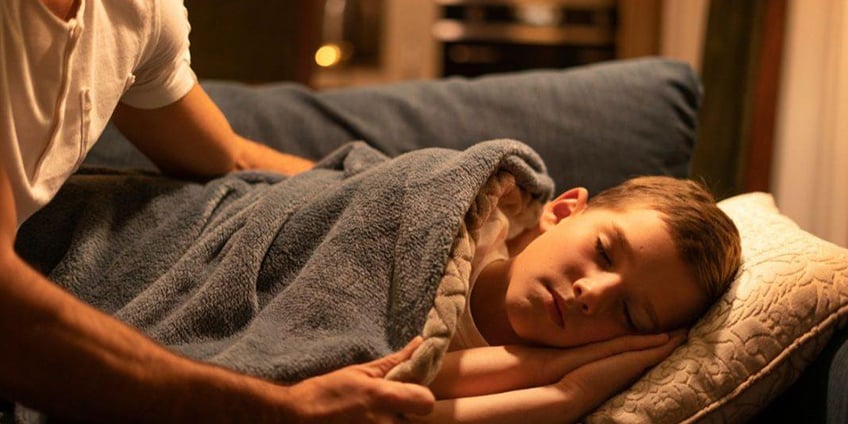
Sleep💤 It’s the magical time when your body recharges, your brain files away the day’s chaos, and your kids (hopefully) stay in their own beds. Yet, for many families, restful sleep feels like chasing a unicorn—especially if your child has ADHD, autism, or other neurodevelopmental challenges.
Sleep disorders like snoring, teeth grinding (bruxism), and sleep apnea don’t just affect adults. They can also disrupt your child’s ability to concentrate, regulate emotions, and grow into their best selves. So, let’s dive into what’s causing these sleep struggles, how they impact health, and what we can do about them (spoiler alert: no magic wands required).
Sleep disorders are like uninvited guests who crash your peaceful slumber party. They make it harder to fall asleep, stay asleep, or get the deep, restorative sleep your body craves. Common culprits include:
These sleep disturbances are more than just annoying; they can create a domino effect on your child’s physical and emotional well-being.
Sleep disorders rarely happen in isolation. They’re often tied to deeper imbalances in the body. Here are some common culprits:
Kids often can’t articulate their sleep struggles, but their bodies will drop clues. Keep an eye out for:
Sleep isn’t just about rest; it’s about repair. For kids, it’s when their brains consolidate learning, their bodies grow, and their emotions get reset. Poor sleep can:
If you suspect a sleep disorder, testing can uncover the root causes:
The good news? Small changes can lead to big sleep improvements. Here’s what I often recommend:
If sleep struggles persist despite these changes, it’s time to dig deeper. A functional medicine approach can uncover hidden triggers and provide personalized solutions to help your child thrive.
As a parent, I know how hard it is to watch your child struggle—and how exhausting it can be for you, too. Sleep isn’t just a luxury; it’s the foundation for health, learning, and emotional resilience. Let’s work together to uncover what’s stealing your family’s rest and create a plan to reclaim peaceful nights. Because when your child sleeps better, the whole family wakes up healthier and happier.
📞 Ready to help your child sleep better and thrive? Call us at 813.605.1590 during office hours to schedule your personalized consultation. We’ll explore the root causes of your child’s sleep challenges and develop a plan to address them—together. Don’t let sleep struggles affect their health any longer—let’s get started on the path to restful nights and brighter days! ✨
Dr. Juliana Nahas, MD, FAAP, FMACP
When Dr. Nahas was a young doctor, she had two separate parents with a child with ADHD come in to the clinic in one day, and one parent asked for medication straight away, while the other refused medication and was seeking natural solutions instead.
ADD/ADHD
Conduct & Oppositional Disorders
Anxiety, Worry & Panic in Kids
Autism Spectrum Support
PANDAS / PANS
Immune-Triggered Neuropsychiatric Symptoms
OCD, Intrusive Thoughts & Compulsions
Mood Dysregulation
Depression
Sleep Issues & Fatigue in Children
Gut-Brain Symptoms
Food Sensitivities & Nutrient Deficiencies
Dr. Nahas’s private practice is 100% virtual and serves patients across the entire state of Florida. While the practice is registered in St. Petersburg, care is delivered remotely, allowing access to individuals and families throughout Florida without geographic restriction.